Scheduling
min Lesezeit
Veröffentlicht am
Automated Shift Scheduling - How AI Reduces Your Labor Costs

Philipp Streich
Business Development Manager
.png)
Table of Content
Rising wages, high turnover, and inefficient planning – many hospitality businesses struggle with growing cost pressure in HR. Yet the solution is closer than you think: automated shift scheduling with Artificial Intelligence.
Why This Topic Is Especially Relevant Now
The hospitality industry is under high efficiency pressure. At the same time, employee expectations for flexibility and predictability are rising. In this environment, AI-powered shift scheduling offers a strategic advantage: It measurably saves costs and increases planning quality without requiring additional HR resources.
1. Where Are the Hidden Costs?
Overtime: The Expensive Constant
Unplanned overtime often arises from unclear demand forecasts, spontaneous absences, or manual schedule changes. The consequences:
- 20-30% higher labor costs per hour
- Team demotivation
- Legal risks from labor law violations
Misallocations & Inefficiency
Shifts with too much or too little staff directly impact margins – either through unnecessary labor costs or revenue losses due to insufficient service capacity.
High Planning Costs
Planning managers spend up to 10 hours per week creating and correcting shift schedules. These hours are missing for strategic tasks.
2. How AI Helps Reduce Costs
Real-Time Data for Intelligent Planning
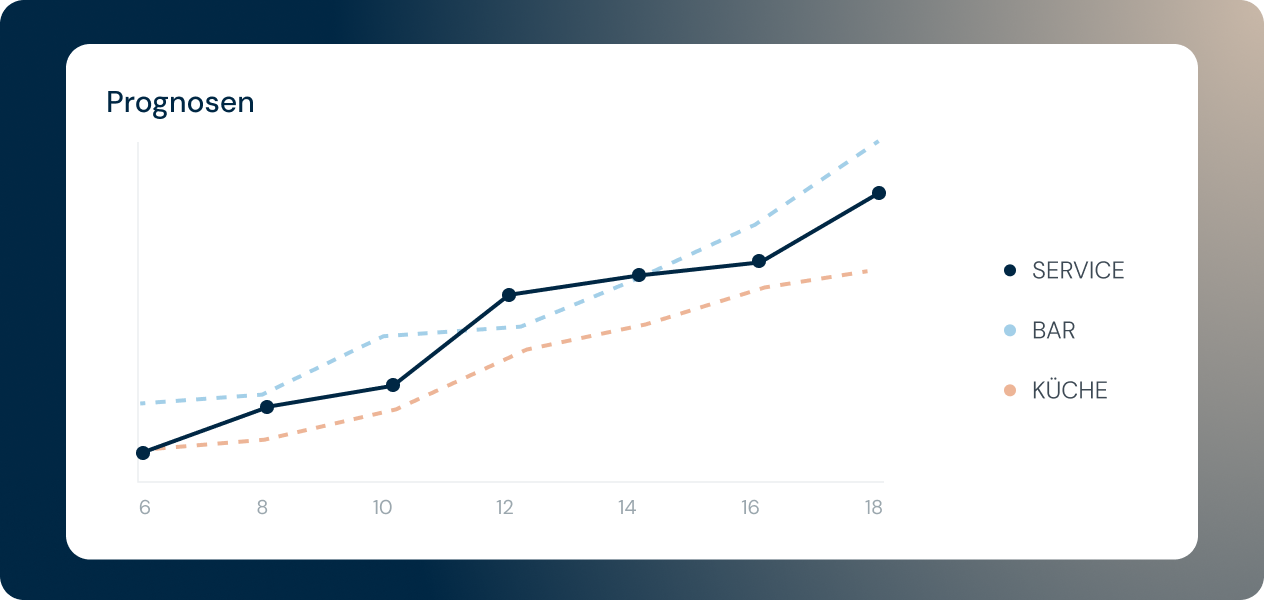
Modern tools like Nesto combine historical occupancy data with live data from PMS, POS, and weather systems. This creates precise demand forecasts – the basis for lean, demand-oriented shift schedules.
Automated Shift Assignment with Fairness Logic
Instead of manual scheduling, the system creates the shift schedule. The tool considers:
- Legal requirements
- Vacation and preferred times
- Minimum staffing and key qualifications
The result: fewer overtime hours, happier teams, better cost efficiency.
Flexibility Through Intelligent Algorithms
Short-term changes, such as illness, can be automatically compensated. The system suggests available and qualified employees – including impacts on time accounts and legal limits.
4. Integration with Existing Systems
Good planning tools aren't standalone solutions. They integrate with existing HR, time tracking, and booking systems.
Benefits:
- No duplicate data sets
- Automatic synchronization of all systems
- Central overview for management and controlling
Automated shift scheduling isn't a luxury, but a strategic necessity for all companies with more than 50 employees. It not only reduces direct labor costs but also strengthens competitiveness and employer attractiveness.
Those who invest now create clarity, efficiency, and scalability – the three pillars of successful hospitality businesses.
Talk to an expert
Are you interested in demand-oriented personnel planning? Then book an expert interview.
Share
Lorem ipsum dolor sit amet, consectetur adipiscing elit. Suspend Varius Enim in Eros Elementum Tristique. Duis cursus, mi quis viverra ornare, eros dolor interdum nulla, ut commodo diam libero vitae erat. Aenean Faucibus Nibh et Justo Cursus id Rutrum Lorem Imperdiet. Nunc ut sem vitae risus tristique posuere.
Make Shift Scheduling More Efficient?
Book a demo and see how Nesto can optimize your cost structure.
Key Takeaways
Scheduling
Overstaffing vs Understaffing: A Balancing Act
Both overstaffing and understaffing cost money – but in different ways. Learn how to find the right balance for optimal operations and profitability.
Philipp Streich
29 Jan 2026
•
min read
Blogposts

Scheduling
Technology-Supported Workforce Planning - Efficiency Through Digitalization
Digital workforce planning tools transform hospitality operations. From scheduling to analytics – discover how technology drives efficiency.
Philipp Streich
29 Jan 2026
•
min read
Blogposts
.png)