Scheduling
min Lesezeit
Veröffentlicht am
Demand-Based Workforce Planning in the Hospitality Industry

Philipp Streich
Business Development Manager

Table of Content
Did you know that nearly 60% of hospitality businesses struggle with workforce planning? The challenges of demand-based planning are crucial for success in the restaurant industry. In this blog post, we'll explore the difficulties, common mistakes, and actionable strategies for improving workforce planning in your establishment.
Why Demand-Based Workforce Planning Is Essential
In an industry with fluctuating guest numbers, events, and seasonal peaks, precise workforce planning is crucial. Too many employees mean unnecessary costs, too few mean service gaps and stressed teams.
The Foundations of Demand-Based Planning
Data-Driven Demand Forecasting
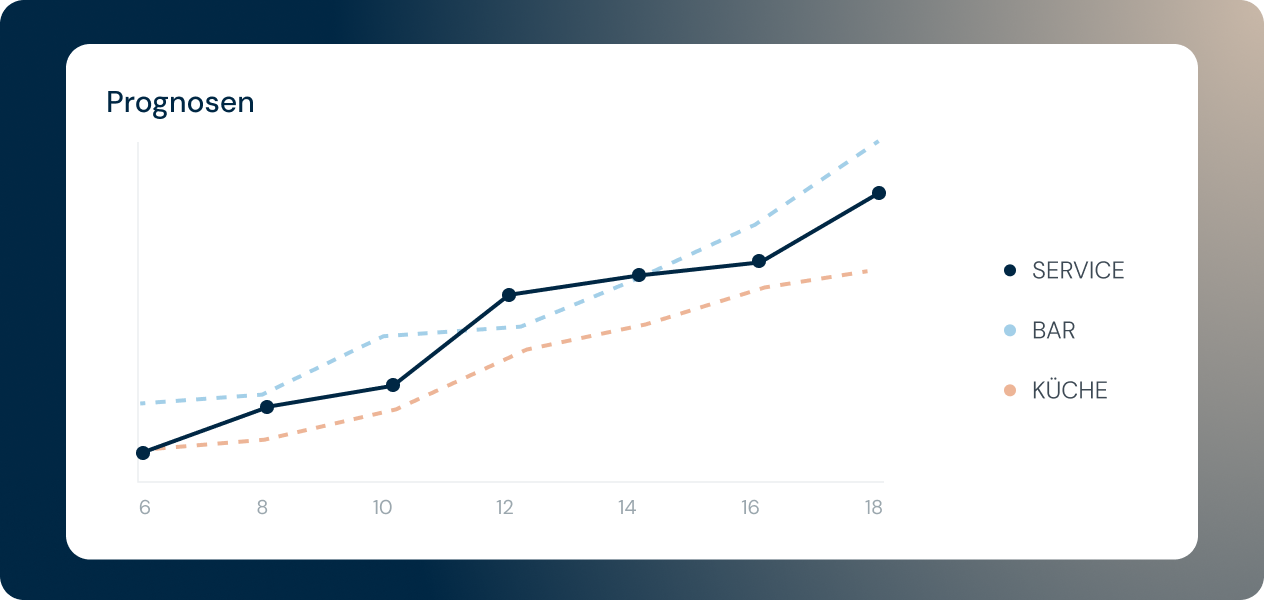
Modern systems analyze multiple data sources to predict staffing needs:
- Historical Data: Past sales and guest numbers by day and time
- Reservations: Bookings and expected guest counts
- External Factors: Weather, local events, holidays
- Trends: Seasonal patterns and long-term developments
Flexible Staffing Models
Demand-based planning requires flexible employment structures:
- Core team for base coverage
- Flexible part-time employees for peak periods
- Cross-trained staff for multiple positions
Benefits for Your Business
Cost Optimization
- Reduced overtime through better planning
- No overstaffing during slow periods
- Optimal coverage during busy times
Improved Service Quality
- Adequate staffing ensures consistent service
- Less stressed employees deliver better experiences
- Faster response to guest needs
Employee Satisfaction
- Predictable schedules improve work-life balance
- Fair workload distribution across the team
- Better consideration of personal preferences
Implementation Steps
1. Data Collection: Establish systematic tracking of relevant metrics
2. Pattern Analysis: Identify recurring demand patterns
3. System Selection: Choose planning software that matches your needs
4. Training: Ensure managers understand the new approach
5. Continuous Improvement: Regularly review and adjust forecasts
Demand-based workforce planning is no longer optional in competitive hospitality markets. It's the foundation for controlling costs while maintaining service excellence. With the right tools and processes, every operation can achieve this balance.
Talk to an expert
Are you interested in demand-oriented personnel planning? Then book an expert interview.
Share
Lorem ipsum dolor sit amet, consectetur adipiscing elit. Suspend Varius Enim in Eros Elementum Tristique. Duis cursus, mi quis viverra ornare, eros dolor interdum nulla, ut commodo diam libero vitae erat. Aenean Faucibus Nibh et Justo Cursus id Rutrum Lorem Imperdiet. Nunc ut sem vitae risus tristique posuere.
Optimize Your Workforce Planning
Learn how Nesto's demand forecasting helps you plan smarter.
Key Takeaways
Scheduling
Overstaffing vs Understaffing: A Balancing Act
Both overstaffing and understaffing cost money – but in different ways. Learn how to find the right balance for optimal operations and profitability.
Philipp Streich
29 Jan 2026
•
min read
Blogposts

Scheduling
Technology-Supported Workforce Planning - Efficiency Through Digitalization
Digital workforce planning tools transform hospitality operations. From scheduling to analytics – discover how technology drives efficiency.
Philipp Streich
29 Jan 2026
•
min read
Blogposts
.png)